Introduction
Heart-related symptoms can be frightening, especially when they appear suddenly. Many people wonder where to get ekg test services when they experience chest pain, irregular heartbeat, dizziness, or shortness of breath. An electrocardiogram (EKG or ECG) is one of the fastest and most effective diagnostic tools used to evaluate heart function and identify potentially serious cardiac conditions.
As cardiovascular health continues to be a major healthcare concern, understanding when and where to seek immediate testing is essential. At ER of Dallas, patients receive rapid emergency evaluations, including EKG testing, to help detect heart abnormalities and support timely treatment decisions.
What Is an EKG Test?
An EKG (Electrocardiogram) is a simple, painless test that records the electrical activity of the heart. It helps healthcare professionals identify abnormal heart rhythms, signs of heart attacks, and other cardiovascular conditions.
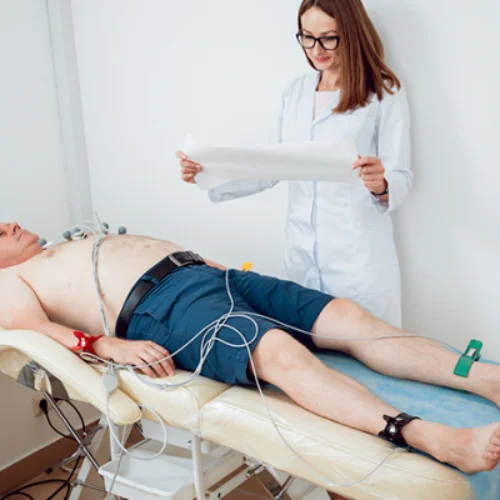
The procedure involves placing small electrodes on the chest, arms, and legs. These electrodes measure electrical signals generated by the heart and display them as waves on a monitor or printed graph.
Key Facts About EKG Testing
- Non-invasive procedure
- Usually completed within minutes
- Painless and safe
- Provides immediate results
- Frequently used in emergency situations
- Helps diagnose various heart conditions
Why EKG Testing Is Trending in Emergency Medicine
Cardiovascular diseases remain among the leading causes of emergency hospital visits worldwide. Increased awareness about heart health has encouraged more people to seek early cardiac evaluations.
Healthcare providers emphasize rapid testing because:
- Early detection saves lives
- Heart attacks can present with subtle symptoms
- Irregular heart rhythms may become dangerous quickly
- Immediate diagnosis improves treatment outcomes
- Preventive screenings help identify hidden conditions
As a result, EKG testing has become one of the most commonly performed emergency diagnostic procedures.
When Should You Get an EKG Test?
An EKG may be recommended whenever symptoms suggest a potential heart-related issue.
Common Symptoms Requiring Immediate Evaluation
Chest Pain
Chest discomfort is one of the most important reasons to seek emergency care.
Symptoms may include:
- Pressure in the chest
- Tightness
- Burning sensation
- Crushing pain
- Pain spreading to the jaw, neck, or arm
Shortness of Breath
Difficulty breathing without a clear explanation may indicate a heart problem.
Heart Palpitations
You may notice:
- Racing heartbeat
- Fluttering sensations
- Skipped beats
- Irregular rhythms
Dizziness or Fainting
Sudden dizziness or loss of consciousness can be associated with abnormal heart rhythms.
Unexplained Fatigue
Persistent fatigue may sometimes signal reduced heart function.
Conditions an EKG Can Help Detect
An EKG provides valuable information about the heart's electrical system and overall health.
Heart Attack
An EKG can reveal evidence of:
- Current heart attack
- Previous heart attack
- Reduced blood flow to the heart
Arrhythmias
Abnormal heart rhythms include:
- Atrial fibrillation
- Tachycardia
- Bradycardia
- Premature heartbeats
Heart Enlargement
Changes in EKG patterns may indicate enlargement of heart chambers.
Electrolyte Imbalances
Abnormal potassium, calcium, or magnesium levels can affect heart function.
Conduction Disorders
Electrical pathways within the heart may become blocked or delayed.
Where Can You Get an EKG Test?
Several healthcare facilities offer EKG testing depending on the urgency of your condition.
Emergency Rooms
Emergency rooms are ideal when symptoms may indicate a serious cardiac event.
Advantages include:
- Immediate testing
- Emergency physicians on-site
- Advanced cardiac monitoring
- Rapid treatment availability
Urgent Care Centers
Some urgent care facilities offer EKG services for non-life-threatening symptoms.
Primary Care Clinics
Doctors may recommend EKG testing during routine evaluations or follow-up appointments.
Cardiology Offices
Cardiologists often perform specialized cardiac testing and monitoring.
Why Choose ER of Dallas for EKG Testing?
When heart-related symptoms occur, immediate access to diagnostic services matters.
ER of Dallas provides comprehensive emergency care with a focus on fast assessment and treatment.
Rapid Evaluation
Patients receive prompt medical attention without long delays.
Advanced Diagnostic Equipment
Modern technology helps deliver accurate cardiac assessments.
Experienced Emergency Physicians
Highly trained professionals evaluate symptoms and interpret EKG findings.
Comprehensive Emergency Services
Additional testing may include:
- Blood work
- Cardiac enzyme testing
- Imaging studies
- Continuous heart monitoring
Convenient Access
Emergency care is available when urgent symptoms require immediate attention.
What Happens During an EKG Test?
Many patients feel nervous before undergoing their first EKG. Fortunately, the procedure is simple and quick.
Step 1: Preparation
A healthcare professional places electrodes on specific areas of the body.
Step 2: Recording
The machine records the heart's electrical activity.
Step 3: Analysis
A physician reviews the results for abnormalities.
Step 4: Treatment Planning
If abnormalities are detected, additional testing or treatment may be recommended.
The entire process often takes less than ten minutes.
Understanding EKG Results
EKG findings provide insight into heart function.
Normal Results
A normal EKG suggests the heart's electrical system is functioning properly.
Abnormal Results
Abnormal findings may indicate:
- Heart attack
- Arrhythmia
- Heart enlargement
- Reduced blood flow
- Electrolyte imbalance
An abnormal EKG does not always mean a serious condition exists, but further evaluation may be necessary.
Risk Factors That Increase the Need for Heart Monitoring
Individuals with certain risk factors should pay close attention to heart-related symptoms.
High Blood Pressure
Chronic hypertension places strain on the heart.
Diabetes
Diabetes significantly increases cardiovascular risk.
Smoking
Smoking damages blood vessels and increases heart disease risk.
Obesity
Excess weight contributes to multiple cardiac conditions.
Family History
A family history of heart disease may increase personal risk.
High Cholesterol
Elevated cholesterol levels can contribute to artery blockage.
Emergency Warning Signs You Should Never Ignore
Seek immediate emergency care if you experience:
- Severe chest pain
- Sudden shortness of breath
- Loss of consciousness
- Rapid or irregular heartbeat
- Pain radiating to the arm or jaw
- Severe dizziness
- Cold sweats with chest discomfort
These symptoms may indicate a medical emergency requiring urgent evaluation.
How Fast Can an EKG Detect a Heart Problem?
One reason EKG testing is so valuable is its speed.
Benefits include:
- Immediate recording of heart activity
- Rapid identification of serious abnormalities
- Quick decision-making for emergency treatment
- Early detection of life-threatening conditions
In emergency settings, results are often reviewed within minutes.
Can an EKG Prevent Serious Heart Complications?
Although an EKG itself does not prevent disease, early testing can lead to faster treatment.
Potential benefits include:
- Earlier diagnosis
- Reduced heart damage
- Better treatment outcomes
- Improved survival rates
- Prevention of complications
Prompt evaluation remains one of the most effective ways to protect heart health.
Tips for Maintaining a Healthy Heart
While emergency testing is important when symptoms occur, prevention remains essential.
Stay Physically Active
Aim for regular exercise approved by your healthcare provider.
Eat a Heart-Healthy Diet
Focus on:
- Fruits
- Vegetables
- Whole grains
- Lean proteins
Avoid Tobacco
Smoking cessation significantly reduces cardiovascular risk.
Manage Stress
Healthy stress management supports overall heart wellness.
Monitor Blood Pressure
Routine monitoring helps detect problems early.
Get Regular Checkups
Preventive healthcare plays a vital role in long-term cardiovascular health.
AI Overview Quick Answers
What is an EKG test?
An EKG is a diagnostic test that records the heart's electrical activity to identify abnormalities and heart-related conditions.
When should I get an EKG?
Seek evaluation if you experience chest pain, palpitations, dizziness, fainting, or shortness of breath.
How long does an EKG take?
Most EKG tests take less than ten minutes.
Is an EKG painful?
No. The procedure is painless and non-invasive.
Can an EKG detect a heart attack?
Yes. An EKG can help identify signs of a current or previous heart attack.
Why visit ER of Dallas for EKG testing?
ER of Dallas offers rapid emergency evaluation, advanced diagnostics, and experienced emergency medical professionals.
Frequently Asked Questions
Is an EKG the same as an ECG?
Yes. EKG and ECG refer to the same test. EKG comes from the German spelling "Elektrokardiogramm."
Do I need an appointment for an emergency EKG?
Emergency rooms typically provide immediate evaluation without a scheduled appointment.
Can anxiety cause abnormal EKG results?
Anxiety may affect heart rate, but healthcare providers can distinguish anxiety-related changes from serious cardiac conditions.
How accurate is an EKG?
An EKG is highly effective for identifying many heart abnormalities, especially when combined with a physical examination and other tests.
Can children receive EKG testing?
Yes. EKGs are safe and commonly used for patients of all ages.
What should I wear for an EKG?
Comfortable clothing that allows access to the chest area is helpful.
Are EKG tests covered by insurance?
Coverage varies by insurance provider and policy. Patients should verify benefits with their insurance company.
Can a normal EKG completely rule out heart disease?
Not always. Additional testing may be necessary depending on symptoms and medical history.
Conclusion
Knowing when and where to seek cardiac evaluation can make a significant difference during a medical emergency. EKG testing remains one of the fastest and most reliable methods for assessing heart function and identifying potentially life-threatening conditions. Whether experiencing chest pain, heart palpitations, shortness of breath, or other concerning symptoms, timely evaluation is critical.
ER of Dallas is committed to providing rapid emergency cardiac assessments, advanced diagnostics, and compassionate care when patients need it most.